
Our Location



434 stainless steel is a ferritic steel that includes chromium and molybdenum. It is a low-carbon grade of stainless steel that cannot be hardened but boasts excellent corrosion resistance, toughness, and ductility. Adding molybdenum to 434 stainless steel enhances its resistance…
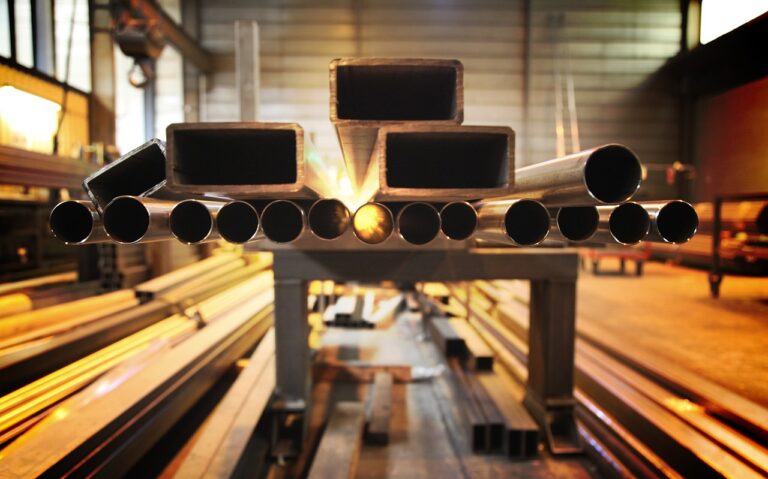
Pearlitic stainless steel is a type of steel that has a pearlitic lattice structure. This type of steel is known for its excellent thermal stability and outstanding resistance to corrosion, making it ideal for use in industrial settings that expose…
Stainless steel is a widely used material known for its outstanding properties, such as corrosion resistance, heat resistance, high strength, cleanliness, etc. There are five different types of stainless steel, each with a unique chemical composition. Martensitic steel is a…

Stainless steels are classified into five main categories based on their metallurgical characteristics and microstructure phases, each of which provides unique properties and applications: Austenitic Ferritic Martensitic Duplex Precipitation-hardened Austenitic stainless steel is a prevalent variety, ranking among the top…

Stainless steel is an alloy made with a combination of chromium, nickel, and other metals that provide excellent resistance to corrosion. Over 100 unique grades of stainless steel are available, with most falling into five broad categories. Austenitic Stainless Steel…
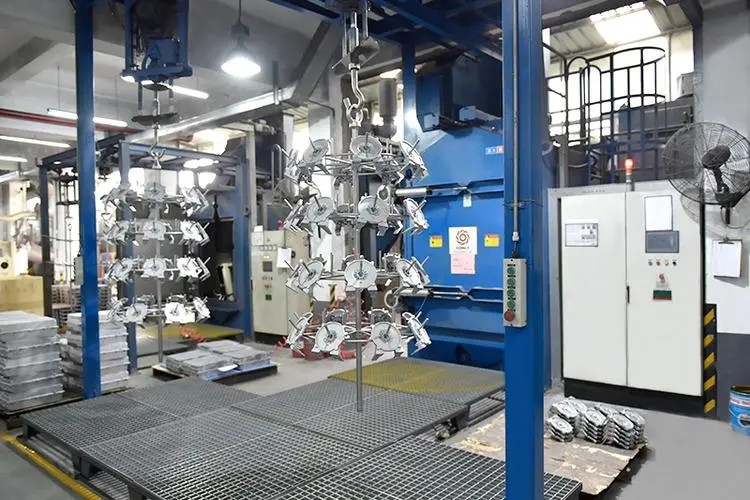
Aluminum is a versatile metal that can be cast using all casting processes. It’s one of the oldest metallurgical techniques, and copper was the first metal accidentally refined from chalcopyrite and chalcocite rocks in a fire. Complex parts can be…
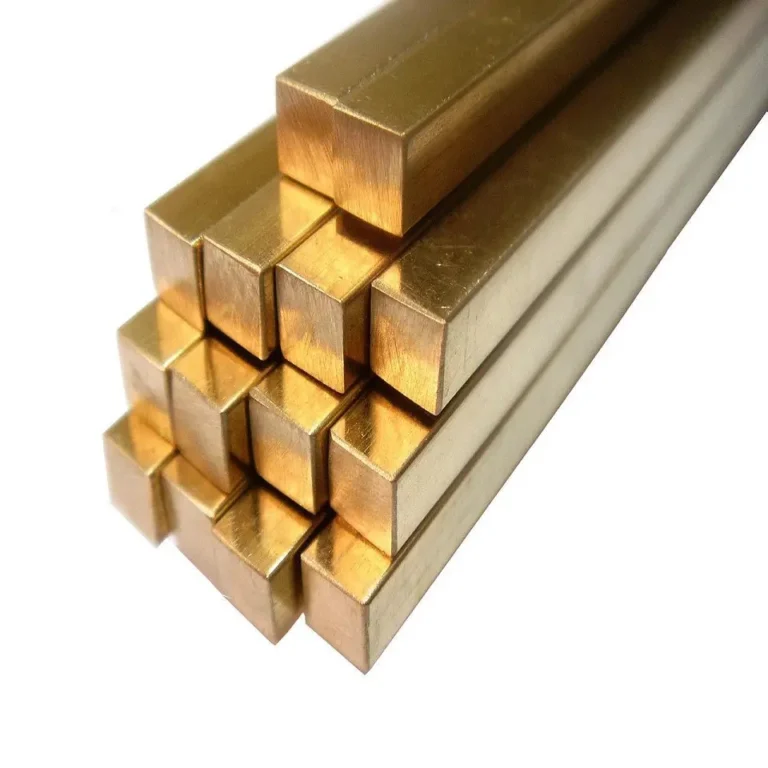
Aluminum bronze is a type of metal that usually contains less than 11.5% aluminum, but sometimes other elements such as iron, nickel, and manganese are added to enhance its performance. Heat treatment can strengthen this material, resulting in higher durability…

Steel is renowned for its strength, but only a few people know that various types of steel are available. The alloying process involves blending a base metal with other metallic elements, producing hundreds of types of steel, each offering different…
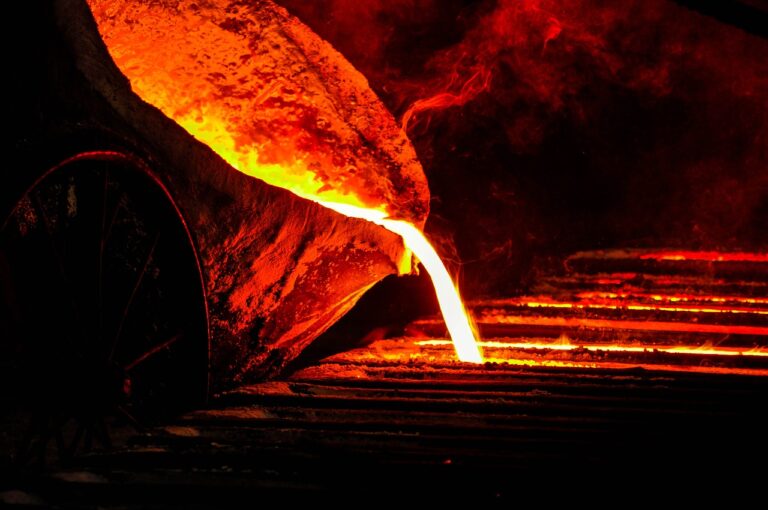
Understanding the melting points of different metals is crucial, particularly if you work in metal fabrication or manufacturing. A metal’s melting point is the temperature or heat level at which its solid structure changes into a molten or liquid form.…

In various industries, stainless steel has become indispensable due to its exceptional mechanical, corrosion resistance, and machinability properties. Among these alloys, 316 stainless steel has gained significant attention and widespread use. The article provides a comprehensive overview of 316 stainless…