
Swiss Machining Explained: The Art of High-Precision Manufacturing

In today’s manufacturing landscape, precision and efficiency are essential. Industries such as aerospace, energy, automotive, and marine require components with intricate designs and tight tolerances. This is where Swiss machining comes in—a process well-known for producing high-precision parts with remarkable efficiency. This guide explores the details of Swiss machining, covering its history, working principles, advantages, applications, and more.
Swiss Machining Explained: The Art of High-Precision Manufacturing

What is Swiss Machining?

Swiss machining, also known as Swiss screw machining or Swiss-type turning, is a specialized manufacturing process designed to produce small, intricate parts with exceptional precision. This technique originated in Switzerland and was initially developed for the watchmaking industry. Over time, it has become a fundamental aspect of modern precision manufacturing, especially in industries that require tight tolerances and complex geometries.

Unlike traditional CNC lathes, Swiss machines feature a sliding headstock and a guide bushing, providing enhanced stability and precision during machining. This unique design allows the workpiece to move along the Z-axis while multiple tools can perform simultaneous operations. As a result, Swiss machining is ideal for producing long, slender parts or miniature components.

The History and Evolution of Swiss Machining

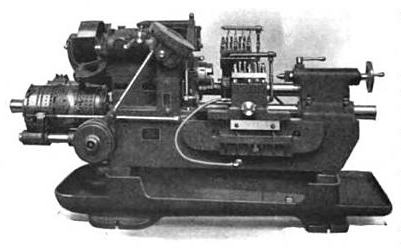
The origins of Swiss machining date back to the 19th century, when watchmakers sought new methods to produce tiny gears, axles, and pins for intricate clocks. As they developed their machinery, it became increasingly sophisticated, allowing for the creation of narrow parts with minimal deflection. Eventually, other manufacturing sectors recognized the benefits of this technique’s precision and began to adapt it for various components.

As technology advanced, Swiss machines became more advanced as well, with the introduction of computer-controlled systems. These machines were capable of multi-axis milling, drilling, and turning in a single setup. This innovation significantly improved precision and repeatability, making “Swiss machining” one of the most sought-after methods in precision manufacturing.

The History and Evolution of Swiss Machining

Key Components of a Swiss Machine

A Swiss CNC machine consists of several essential components that contribute to its precision:

  • Sliding Headstock: The workpiece can move along the Z-axis, which helps reduce vibration and improve precision.
  • Guide Bushing:Supports the bar stock near the cutting tool to minimize deflection.
  • Tooling Zones: Several tool stations allow for simultaneous machining operations.
  • CNC Control System:Offers precise control over up to 12 axes, allowing for the creation of complex geometries.
  • Automatic Bar Feeder: Ensures uninterrupted production for high-volume manufacturing runs.

How Does Swiss Machining Work?

At the heart of Swiss machining is the sliding headstock and guide bushing mechanism. Here’s a detailed breakdown of the process:

Sliding Headstock: In contrast to conventional lathes, the headstock of a Swiss machine moves longitudinally and feeds the bar stock through the guide bushing.

Guide Bushing: This component offers support near the cutting tool, reducing deflection and vibration, and helping maintain precise tolerances.

Multiple Axes and Tooling: Swiss machines typically have multiple axes and tooling stations, allowing for simultaneous operations such as milling, turning, drilling, and tapping.

Continuous Bar Feeding: Bar stock is continuously fed through the machine, enabling the efficient production of long, slender parts without repositioning.

This setup enables the machining of complex parts in a single setup, minimizing cycle times and improving consistency.

Applications of Swiss CNC Machining

The features of Swiss machining make it essential in several industries where high stress is present or failure is not an option.

Medical and Surgical: Precision CNC Swiss machining is essential in various applications, particularly for producing bone screws, surgical drill bits, and complex components for implantable devices, such as robotic surgery arms. Swiss machining techniques effectively meet the demand for biocompatible materials, flawless surfaces, and utmost precision.

Aerospace and Defense: The aerospace industry uses high-precision CNC Swiss machining services for essential components like engine fuel-injector nozzles, sensor housings, and actuators. These parts must endure extreme temperatures and pressures while remaining entirely reliable.

Electronics and Connectors: The miniaturization of electronic devices requires extremely small, complex parts such as screws, pins, and connectors. CNC Swiss machining shops produce these parts with the required precision and often in the large quantities demanded by the electronics industry.

Automotive: In high-performance racing and fuel-injection systems, Swiss machines produce small, durable parts such as valves, shafts, and sensors that contribute to engine efficiency and performance.

Optical Industry: It is used to manufacture components for cameras, telescopes, and microscopes. This ability to produce highly precise, intricate components is crucial for optimal optical performance.

Watchmaking: Due to its origins, Swiss machining is essential to the industry, enabling the production of gears, screws, and other small components with unmatched precision.

Materials Used in Swiss CNC Machining

Common materials in Swiss machining projects include soft aluminum, hard titanium, and various plastics. The key material options are outlined below:

  • Aluminium: A lightweight, corrosion-resistant material that is easily shaped. It finds applications in aerospace, automotive, and electronics industries.
  • Stainless Steel: A strong, durable material that resists corrosion effectively. It is commonly used in medical instruments, watchmaking, and industrial machinery.
  • Titanium: Titanium is known for its strength, biocompatibility, and heat resistance, making it perfect for medical implants and aerospace parts. Additionally, titanium is well-suited for high-performance automotive components.
  • Tool Steel: It has high wear and hardness resistance, making it suitable for industrial applications and cutting tools.
  • Brass and Copper: These materials exhibit excellent corrosion resistance and very good conductivity. They are commonly used in electronics, plumbing, and precision engineering.
  • Plastics (PEEK, Delrin, Nylon):These materials are lightweight, chemically stable, and non-conductive. They are utilized in medical instruments, electronics, and aerospace applications.

Factors for Material Consideration

  • Machinability: Impacts production speed and cost. Copper and aluminum are better alternatives than stainless steel and other harder materials.
  • Biocompatibility: This is important for medical use, and the most common materials are stainless steel and titanium.
  • Corrosion Resistance: Certain plastics, titanium, and stainless steel are designed to withstand harsh environments.
  • Chemical Resistance: Various industries, including the medical industry, require specific materials like PEEK and Delrin plastics.
  • Strength-to-Weight Ratio: Titanium and aluminum play a crucial role in the automotive and aerospace industries because of their effectiveness.
  • Electrical Conductivity: In electronics, the two most effective materials are copper and brass.

Choosing the right materials maximizes efficiency, cost-effectiveness, and machining precision.

Advantages of Swiss CNC Machining

Swiss machining has several advantages compared to traditional CNC turning and milling processes:

  • High Precision and Tight Tolerances: It is particularly true for small-diameter, long, or complex parts.
  • Single-Setup Multi-Operation Machining: It minimizes errors and ensures properly aligned features.
  • High-Volume Capability: Perfect for bulk orders and large production runs.
  • Versatility: Swiss machines can handle various materials, from soft plastics to hard metals such as titanium. Their versatility in performing diverse operations makes them suitable for diverse manufacturing requirements.
  • Enhanced Surface Finish: The stability provided by the guide bushing ensures superior surface finishes, often removing the need for additional finishing processes.
  • Cost-Effective Production: Lower labor costs, shorter cycle times, and fewer setup requirements lead to more affordable parts.
  • Lights-Out Operation: Enables production to run unattended, thereby increasing efficiency.
  • Consistency and Repeatability: Ensures consistent quality across thousands of parts without any variation.

These benefits make Swiss machining an excellent choice for numerous applications, especially when precision, efficiency, and cost-effectiveness are essential.

Challenges and Limitations

Despite its benefits, Swiss machining has some limitations:

  • Material Constraints: Some materials can pose challenges due to their specific properties, which may require specialized tooling or adjustments.
  • Initial Investment: Swiss machines generally have higher upfront costs than conventional lathes, making them more expensive to purchase.
  • Complex Setup: Setting up Swiss machines can be complex, requiring skilled operators and programmers.
  • Part Size Limitations: Swiss machining is great for producing small parts, but it may not be the best option for larger components.

Recognizing these limitations is inportant for making informed decisions about when to use Swiss machining.

Choosing the Right Method

When choosing between Swiss machining and traditional CNC turning and milling, consider the following factors:

  • Part Size and Geometry: Long, slender components or those with detailed features are better suited for Swiss machining.
  • Tolerance Requirements: Swiss machining is preferred for achieving tight tolerances and precise features.
  • Production Volume: High-volume orders benefit from the efficiency of Swiss machines, while smaller runs can still be cost-effective on traditional CNC machines.
  • Cost Considerations: Swiss machining reduces labor and setup costs, making it ideal for large-scale production.

Swiss machining often enables manufacturers to produce higher-quality parts more quickly and at lower cost than traditional CNC methods.

Future Trends in Swiss Machining

As technology progresses, Swiss machining evolves by integrating new tools, materials, and automation to meet the increasing demands.

Advanced Materials

Innovative materials like carbon fiber composites and bioresorbable polymers are increasingly being utilized in Swiss Machining, especially for medical and aerospace applications. These materials necessitate specialized tooling and cutting strategies to ensure precision.

Integration with Industry 4.0

Swiss machines are increasingly integrated with IoT sensors and data analytics, which enable real-time monitoring of performance metrics such as tool wear, temperature, and vibration. This data-driven approach enhances predictive maintenance and reduces downtime.

Automation and Robotics

Automated loading and unloading systems, along with robotic arms, are enhancing Swiss machining workflows by reducing labor costs and enabling continuous 24/7 operations. This trend significantly benefits high-volume production.

Conclusion

Swiss machining is a key process in precision manufacturing. Its exceptional accuracy, efficiency, and versatility make it essential across multiple industries. By grasping its principles, advantages, and applications, manufacturers can fully leverage its potential to create high-quality components that satisfy the strict requirements of today’s market.