Our Location

Lightweight metals play a crucial role in the manufacturing of parts, particularly in the automotive, aerospace, and consumer electronics industries. Metals like aluminum and titanium are often used for their lightweight properties, which contribute to reduced overall weight and enhanced aesthetics.
While there are several types of lightweight metals, only a select few are widely used in part manufacturing. This article introduces the most common lightweight metals, their grades, properties, applications, and guidance on choosing the right one for your needs.
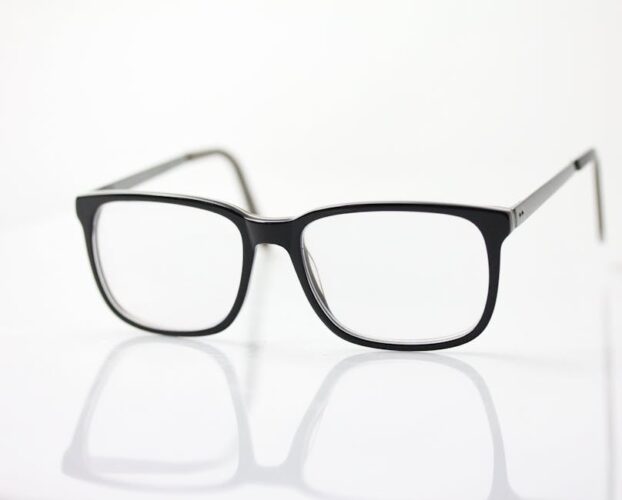
Lightweight metals are primarily defined by their low density compared to other structural metals like steel or copper. While there is no single density threshold that universally applies, materials with densities typically below 5 grams per cubic centimeter (g/cm³) are commonly classified as lightweight metals. Certain industries, such as aerospace, may apply stricter criteria, considering anything below 4.5 g/cm³ as lightweight. The main advantage of this classification is that lighter metals have a lower mass per unit volume, which leads to lighter components. This results in improved energy efficiency, greater payload capacity, and enhanced dynamic performance.

The various properties of light metals include:
Density is defined as the mass of a material per unit of volume. Light metals have low densities, meaning they have lower mass per unit volume than heavier metals, such as steel or iron.
This characteristic makes light metals advantageous for weight-sensitive applications, allowing for the production of lightweight components used in various structures and machines across multiple industries. As a result, these components often lead to improved fuel efficiency, higher payload capacity, and enhanced maneuverability.
Light metals are utilized in a range of applications due to their low densities. For example, they are commonly used to produce seating structures, overhead bins, and cabin panels in the aerospace industry. However, in certain applications, additional reinforcement may be required to support the weight adequately.
Corrosion resistance refers to a material’s ability to resist degradation when exposed to moisture or chemicals. Light metals are known for their excellent corrosion resistance, which makes them fit for outdoor applications and environments prone to moisture exposure.
This corrosion resistance enhances the longevity and durability of light metals. It decreases maintenance costs and extends the service life of the components and structures in which they are used.
Electrical conductivity refers to a material’s ability to conduct electrical current. Light metals are well known for their excellent electrical conductivity, making them essential for various electrical and electronic applications. They are commonly used in wiring, power transmission within electronic devices, and the production of electronic components.
Due to their superior electrical conductivity, light metals facilitate efficient electrical transmission, minimizing energy loss and enhancing the overall performance of electrical and electronic systems.
Thermal conductivity refers to a material’s ability to conduct heat. Light metals have high thermal conductivity, meaning they can efficiently transfer heat within themselves. This property helps prevent overheating and enables effective heat management in applications that generate significant heat.
Light metals are particularly valuable in applications where heat dissipation is important, for example, in heat exchangers, electronic devices, and cooling systems. Although they can be prone to deformation at very high temperatures and may require thermal insulation in some situations, they are reliable thermal conductors and have demonstrated improved thermal performance over time.
Light metals are both malleable and ductile. This shows they can be rolled to thin sheets without breaking (malleable) or stretched into wires without fracturing (ductile). These properties allow for easy formation into various shapes and designs.
Due to their versatility, light metals are widely used in manufacturing processes like forging, stamping, and extrusion. However, they can be susceptible to deformation during these processes, which may necessitate additional steps to restore their original properties.
The family of lightweight metals consists of several important elements, each offering a distinct set of properties. By alloying—combining a metal with other elements—these base metals can be significantly enhanced, allowing their characteristics to be tailored to meet certain operational requirements.
In the Earth’s crust, aluminum(Al) is the most abundant metallic element and is widely used as a lightweight metal. Its density is about 2.7 g/cm³, which is roughly one-third that of the steel. While pure aluminum is relatively soft, it offers excellent corrosion resistance due to a passive oxide layer, as well as good electrical and thermal conductivity, and high ductility. The aluminum’s mechanical properties can be greatly enhanced by alloying it with elements such as copper, magnesium, silicon, manganese, and zinc. These aluminum alloys are categorized into series based on their primary alloying elements.
1xxx series: This series consists of commercially pure aluminum with a purity of 99% or more. It is known for its remarkable corrosion resistance and high electrical and thermal conductivity; but it has low strength.
2xxx series (Al-Cu): This series offers high strength and is commonly used in aerospace applications (e.g., 2024 aluminum). Components made from this series typically require corrosion protection.
5xxx series (Al-Mg): This series is known for its good corrosion resistance, especially in marine environments, and has medium strength (for example, 5083 aluminum).
6xxx series (Al-Mg-Si): This series, including alloys like 6061, offers a good balance of strength, weldability, formability, and corrosion resistance, which makes it ideal for various structural applications.
7xxx series (Al-Zn-Mg-Cu): This series, such as 7075 aluminum, exhibits the highest strengths, which are crucial for demanding aerospace and defense applications. The versatility, low cost, and high recyclability make it indispensable in industries such as transportation, packaging, construction, and electronics.
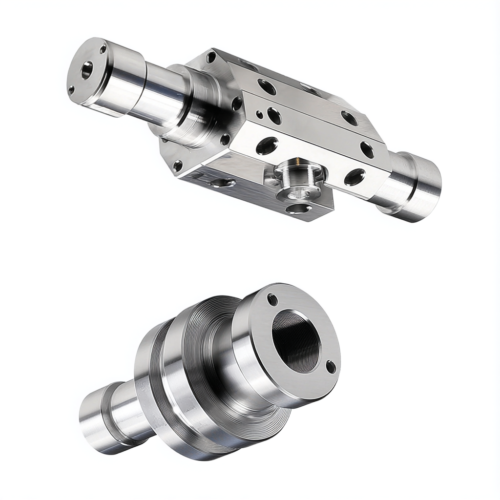
Magnesium (Mg) is regarded as the lightest structural metal, with the density of approximately 1.74 g/cm³. It possesses good specific strength and stiffness, excellent machinability, and superior vibration-damping properties.
Although pure magnesium has limited structural applications, alloying it with aluminum, zinc, manganese, or rare-earth metals significantly improves its strength and corrosion resistance. Common magnesium alloys include AZ (aluminum-zinc), AM (aluminum-manganese), ZK (zinc-zirconium), and WE (yttrium-rare earths).
Despite its advantages, magnesium is more reactive and more susceptible to corrosion, which often necessitates the use of protective coatings. Additionally, flammability concerns with fine powders or molten metal require special handling during processing. Magnesium is commonly used in various applications, including automotive parts (such as seat frames, steering wheel cores, and gearbox casings), aerospace components, portable electronics housings, and power tools.
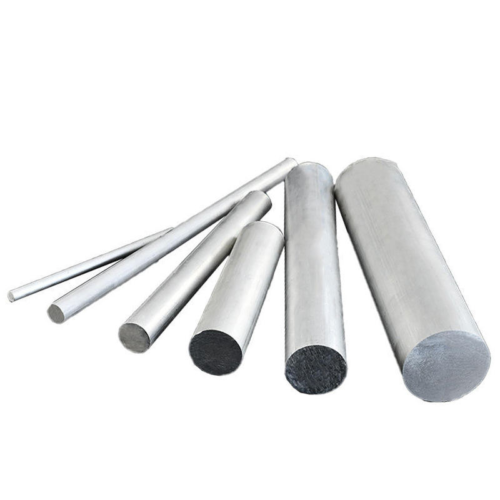
Titanium (Ti) has a density of approximately 4.5 g/cm³ and offers a significantly better strength-to-weight ratio compared to many other metals. It possesses excellent corrosion resistance, especially against chlorides and seawater, maintains high strength at elevated temperatures, and demonstrates remarkable biocompatibility. While pure titanium has moderate strength, its properties can be greatly enhanced by alloying it with elements such as aluminum, vanadium, molybdenum, and tin. Titanium alloys are categorized into three groups: alpha alloys, beta alloys, and alpha-beta alloys, based on their crystallographic structure and heat treatment processes.
Alpha Alloys: These alloys offer good weldability, medium strength, and good creep resistance.
Beta Alloys: These alloys have high hardenability and exhibit good formability when in the solution-treated condition.
Alpha-Beta Alloys: An example is Ti-6Al-4V, which combines strength, toughness, and formability, making them the most commonly used titanium alloys.
The primary disadvantages of titanium and its alloys are their higher cost and challenges related to extraction and fabrication, including difficulties in machining and specific welding requirements.
Notable applications of titanium include structural components in aerospace (such as airframes and engine parts), equipment for chemical processing, marine hardware, medical implants (like hip joints and dental fixtures), and high-performance sporting goods.

Beryllium (Be) is one of the lightest metallic elements, with a density of approximately 1.85 g/cm³. It is known for its extremely high stiffness-to-weight ratio—its Young’s modulus is about 50% higher than that of steel—along with good thermal conductivity, a high melting point, and transparency to X-rays.
However, beryllium is quite brittle, and its dust and fumes are toxic, necessitating strict safety measures during processing and handling. These considerations, along with its high cost, limit its applications to specialized fields. Beryllium is often alloyed with copper (creating beryllium copper or CuBe) to produce materials that are stronger, harder, and possess better electrical and thermal conductivity, while also being non-sparking and non-magnetic.
Beryllium and its alloys are used in various applications, including structural components in aerospace and defense systems (such as gyroscopes, satellite structures, and missile parts), windows for X-ray tubes and radiation detectors, components of nuclear reactors, and high-performance audio equipment. Beryllium copper is particularly valuable for springs, connectors, and non-sparking tools used in hazardous environments.
Lithium (Li) is the lightest metal, with a density of 0.534 g/cm³. It is a silvery-white and soft alkali metal that is highly reactive, particularly with water and air. Due to its reactivity, lithium cannot be used as a pure structural material. Its primary application is in rechargeable batteries, such as lithium-ion batteries, where its high electrochemical potential and low atomic weight provide significant advantages.
In structural materials, lithium is used as an alloying element, especially in aluminum. Aluminum-lithium (Al-Li) alloys typically contain 2-3% lithium by weight. Adding lithium to aluminum reduces the alloy’s density by up to 10-15% and increases its stiffness (Young’s modulus). These alloys also exhibit good fatigue resistance and cryogenic toughness. However, processing and manufacturing Al-Li alloys can be challenging due to lithium’s reactivity and the potential for anisotropic behavior in the final product.
Despite these challenges, the superior specific properties of Al-Li alloys make them valuable in weight-sensitive aerospace applications, such as aircraft fuselages, wing structures, and rocket fuel tanks, where they can provide significant weight savings compared to conventional aluminum alloys.