Our Location

Aluminum is a versatile material that plays an important role across industries such as automotive, aerospace, and manufacturing. However, not all aluminum is the same. When considering your next project, should you choose billet, cast, or forged aluminum? Understanding the differences among these types can significantly affect performance, cost, and durability.
In this post, we will outline the strengths and weaknesses of each aluminum type. You will learn how billet, cast, and forged aluminum differ in terms of strength, machinability, and suitability for specific applications.
Aluminum alloys are formed by combining aluminum with other metals or elements. This process enhances aluminum’s natural properties, making it more versatile across a range of applications. Alloying improves its strength, corrosion resistance, and machinability.
Pure aluminum is lightweight and highly corrosion-resistant. However, it doesn’t possess the strength required for demanding applications. By adding specific elements, we can create alloys with enhanced characteristics:
Aluminum can be produced using three primary methods: billeting, casting, and forging. Each manufacturing process has unique strengths and characteristics, making it essential to select the appropriate type for specific applications.
Billet aluminum is a solid piece of aluminum that has undergone initial processing, such as melting, casting, or hot rolling. However, it has not yet reached its final shape, size, or surface quality. This material serves as an intermediate stage in the manufacturing process, providing a foundation for creating a wide range of finished aluminum products. Billet aluminum is typically available in various forms, including plates, bars, profiles, and tubes.
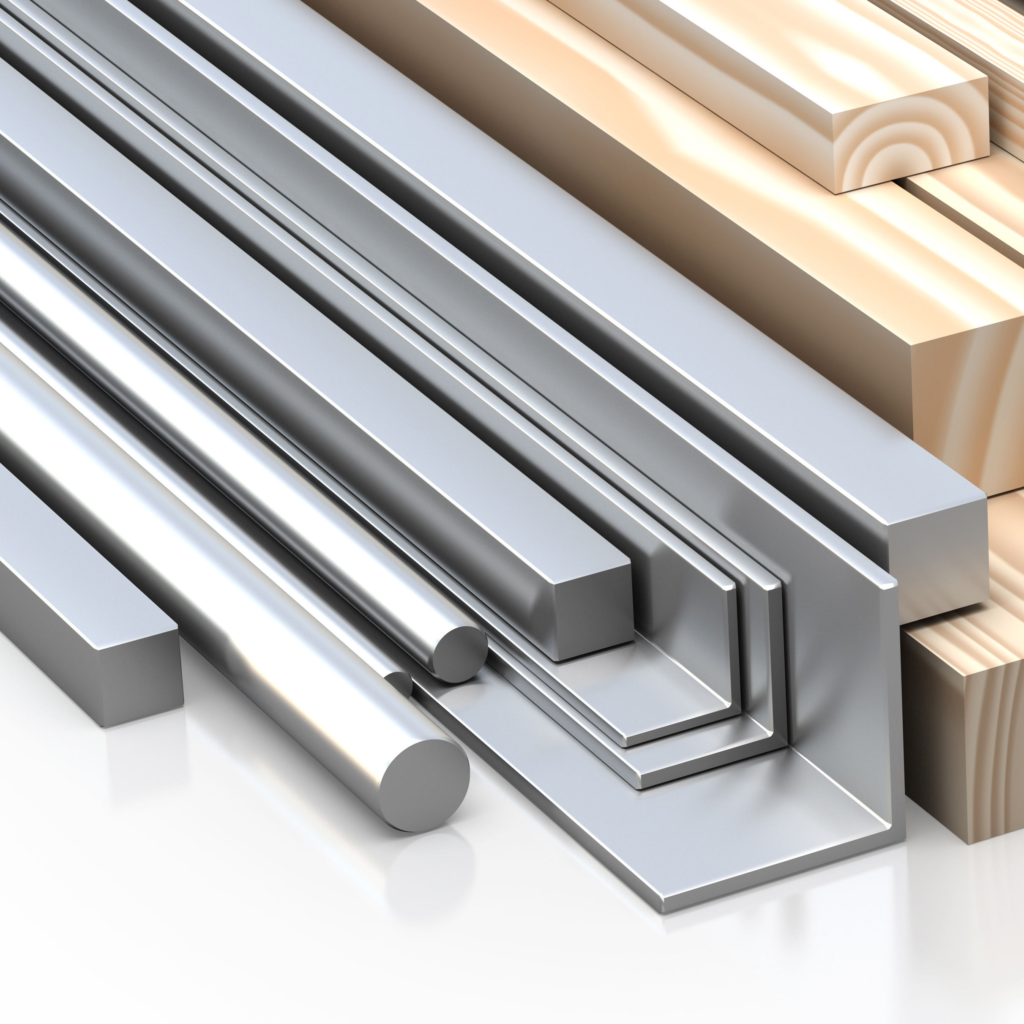
Billet manufacturing offers several advantages, including high precision, superior material quality, and the ability to produce custom, complex components. This process is especially beneficial for industries like automotive and aerospace, where durability, performance, and customization are essential. Below are the key benefits of billet manufacturing:
Superior Material Quality
Billet parts are free of internal defects such as porosity, unlike cast parts. This process begins with a solid block of metal, ensuring the final product has a uniform structure and resulting in stronger, more durable components.
Lightweight and Strong Materials
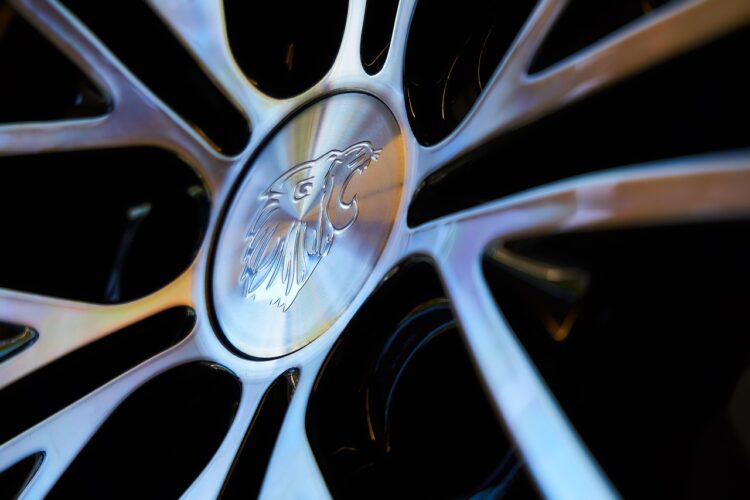
Materials such as billet aluminum are highly valued for their excellent strength-to-weight ratio. The lightweight characteristics of billet aluminum make it ideal for various automotive applications, including billet car parts and wheels. Reducing the weight of these components improves performance, fuel efficiency, and handling.
Improved Durability and Performance
Billet parts are solid and uniform, making them generally more durable and able to endure higher stresses than parts produced by other methods. For instance, billet car parts and billet wheels benefit from enhanced strength and wear resistance, ensuring a longer service life and improved overall performance.
High Precision and Tight Tolerances
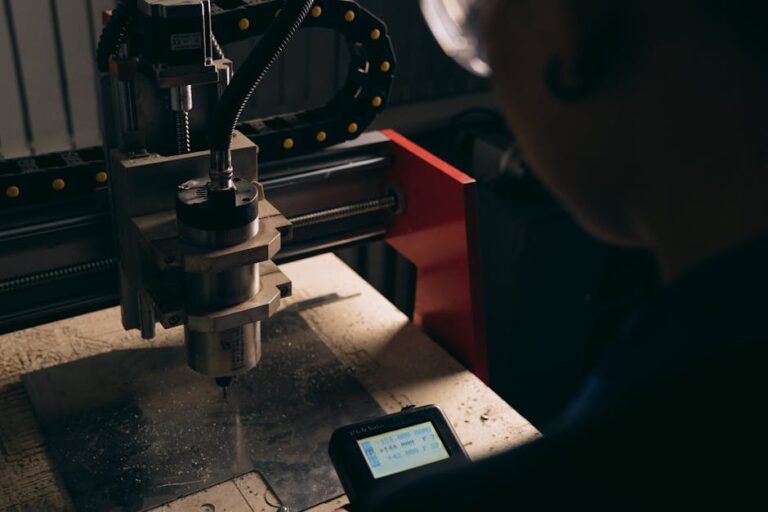
Billet machining enables the production of parts with very tight tolerances, sometimes as precise as 0.01 mm. This level of accuracy is important in applications where even minor variations can significantly affect performance, particularly in the aerospace and automotive industries.
Customization and Complex Geometries
Billet machining can produce highly customized parts with intricate designs. This process is suitable for creating billet wheels, automotive components, and specialized pieces. It offers the flexibility to craft complex shapes that are often challenging or impossible to achieve with other manufacturing methods, such as casting.
Cost-Effective for Small-Batch and Custom Parts
Although billet machining tends to have a higher initial cost than casting, it can be more cost-effective for small-batch production or highly customized parts. This method is particularly suitable for creating limited-run billet metal components or bespoke billet aluminum parts that meet special requirements, eliminating the need for expensive molds.
Casting aluminum is a metalworking process used to produce aluminum parts with intricate shapes and to enable high-volume production. The process begins with preparing pure aluminum or aluminum alloy ingots according to specific composition ratios. These ingots are heated until they melt. After reaching this state, the liquid aluminum is poured into a mold cavity.
Professional molds and specialized techniques are employed to shape the molten aluminum. Once it cools and solidifies, the desired aluminum part is formed. This method is particularly effective for producing complicated components that would be difficult or costly to manufacture using other techniques.
Aluminum casting is widely utilized in industries such as automotive, aerospace, and industrial machinery, where detailed geometries are essential. Additionally, this casting method offers the flexibility to make large quantities of parts efficiently and cost-effectively.
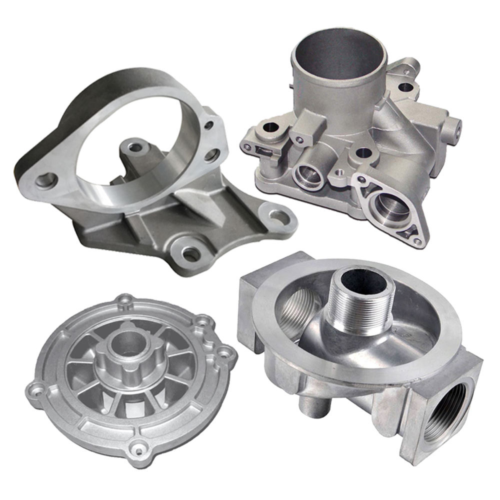
When comparing casting and billet manufacturing, casting provides several main advantages that make it a preferred option in many industries, particularly for high-volume production.
Material Versatility
Casting can accommodate various metals and alloys, including those with unique properties like cast iron, aluminum alloys, and specialized steels. This versatility enables manufacturers to choose materials that best fit specific performance requirements. In contrast, billet casting—which combines casting and billet processing—often limits material selection to those suitable for the initial casting.
Complex Shapes
One of the main advantages of casting is its ability to produce complex and detailed geometries. The comparison between casting and billet machining highlights that achieving intricate shapes is usually much easier and more cost-effective through casting. For instance, making parts with hollow or highly detailed structures is easier with casting than with billet machining or forging, which require more material and are more labor-intensive.
Cost-Effective
Casting is generally more cost-effective than billet machining or forging because it reduces material waste by utilizing molds to shape the parts. In contrast, billet machining typically involves cutting away excess material.
Scalability
Casting is a highly scalable process that enables the efficient production of both small and large quantities. Whether you need just a few parts or thousands, casting provides excellent flexibility. In comparing casting to billet machining, it’s important to note that billet machining is often better suited for custom, small-run parts, while casting is ideal for high-volume applications.
Speed and Efficiency
The casting process is usually quicker for mass production than billet machining because it minimizes or eliminates the demands for extensive machining or secondary finishing. Once the mold is created, casting can rapidly produce large quantities of parts, making it fit for industries that need high-volume production with a fast turnaround time.
Large Size Capability
Casting is especially beneficial for producing oversized components that are challenging or impractical to create using billet machining. Large parts, for example, engine blocks, frames, and housings, can be easily cast, whereas manufacturing them by billet machining would require significant material and be much more expensive and time-consuming.
Forged aluminum is aluminum that has been reshaped using high-pressure compression forces, often with the application of heat to improve its malleability.
During this process, raw aluminum or aluminum alloys are heated and then subjected to methods such as hammering, pressing, or rolling, transforming them into the desired shapes and sizes.
This technique can significantly enhance the strength and hardness of aluminum while preserving its excellent electrical and thermal conductivity and lightweight properties.
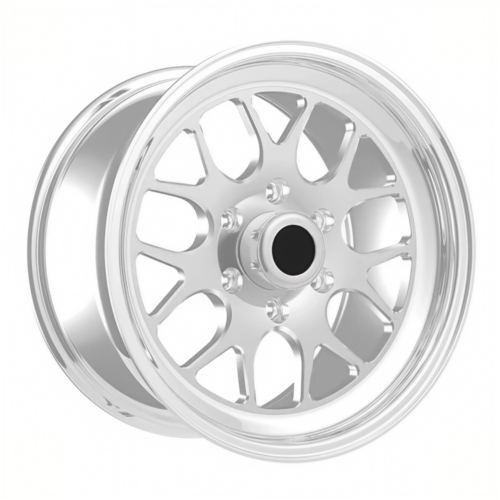
Forging is a highly respected manufacturing process, especially for creating components that require exceptional strength, durability, and uniformity. Below are the primary advantages of forged manufacturing:
Durability: Forged parts are specifically designed to withstand extreme stresses, making them perfect for applications in automotive, aerospace, and heavy machinery where performance under harsh conditions is crucial. For instance, forged aluminum parts typically outperform billet parts in environments that need greater impact resistance.
Superior Strength: The forging process uses compressive forces to align the metal’s grain structure, resulting in forged billets with enhanced mechanical properties. This alignment makes forged components significantly stronger and more wear-resistant than those produced by other manufacturing methods, such as casting or billet machining.
Versatility in Applications: Forging enables the creation of complex, high-strength components, including forged crankshafts, turbine blades, and heavy-duty gears, demonstrating its adaptability across industries.
Improved Reliability: The forging manufacturing process ensures consistent quality. Compared with cast or billet components, forged parts exhibit fewer internal voids and structural defects, resulting in greater reliability in demanding applications.
Cost-Effectiveness in High-Stress Applications: While initial tooling costs may be higher, forged parts often deliver greater lifecycle value because of their durability and reduced replacement needs.